
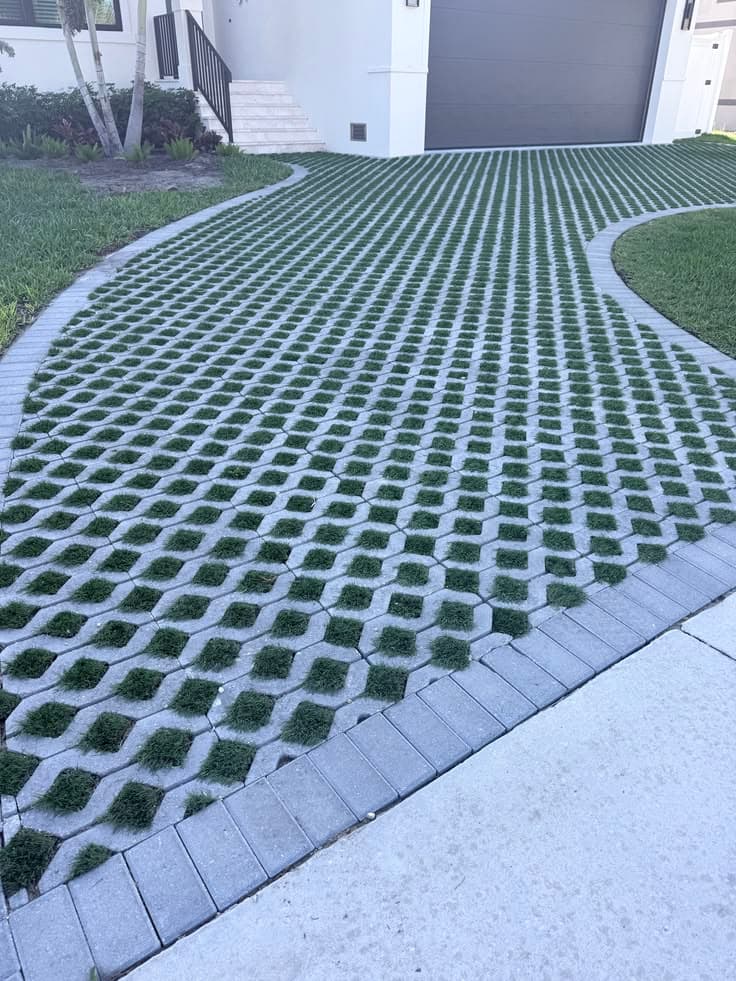
Turkey's interior regions experience harsh winters. When Ankara's temperatures drop to -15°C at night then rise to +5°C during the day, moisture inside concrete expands and contracts — repeated dozens of times each winter, this cycle causes cracking and surface deterioration. Istanbul's winters are milder, but sudden snow and icing periods pose significant risk to concrete driveways without a protective layer.
The good news: with the right preparation, most of this damage is preventable. Here are four practical recommendations drawn from Bomanite Türkiye's years of field observation.
1. Remove Snow and Ice Promptly
Accumulated snow on your driveway increases moisture retention and extends the surface's exposure to freeze-thaw cycling. After snowfall, clear the surface using a plastic-bladed shovel — metal blades can scratch and score concrete. Avoid pouring hot water onto frozen sections in the early morning; the temperature differential can cause thermal shock.
2. Avoid Chemical De-icers
Rock salt (sodium chloride) and many commercial de-icing products react with concrete's chemical composition, corroding the surface from above. In Turkey, the General Directorate of Highways uses heavy salting on national roads, meaning if your driveway is close to a main road, there is real risk of those chemicals being tracked in by vehicles.
Consider these alternatives as de-icing agents:
- Potassium chloride: Less aggressive to concrete, effective at mild sub-zero temperatures.
- Calcium chloride: Works at lower temperatures (down to -25°C) but can be harmful to nearby plants.
- Sand or crushed limestone: Chemical-free; doesn't melt ice but creates a traction surface.
After using any de-icing product, rinse your driveway with water to remove chemical residues — this significantly reduces long-term damage.
3. Keep Road Ice and Slush Out
Snowmelt and slush tracked in from public roads typically carries road salt with it. When this mixture is distributed across your concrete surface by vehicle tyres, it leaves a corrosive residue on the top layer. Placing a small deflector or barrier strip at the driveway entrance — or simply cleaning that section more frequently — meaningfully reduces chemical accumulation.
4. Apply a Quality Sealer — Every Year
Sealer application is the most critical step in winter preparation. A penetrating sealer (silicate or silane-based) closes concrete's pores, blocking moisture and chemical ingress. Without this layer, water seeps into the concrete, freezes, expands, and fractures the surface from within — a process known as spalling that is difficult to reverse once it begins.
Timing matters: sealer should be applied at least 3–4 weeks before temperatures consistently drop below 0°C. For Ankara and inland Anatolia this typically means late October; for the Aegean and Marmara regions, mid-November can still be viable.
Bomanite Türkiye's penetrating hardeners are formulated for resistance to both UV and chemical exposure from chlorine and road salt. For high-traffic exterior surfaces like driveways, we recommend annual application.
Why Bomanite Surfaces Are Better Prepared for Winter
Bomanite Imprint and Exposed Aggregate systems use a low water-to-cement ratio mix design — unlike standard ready-mix concrete. This makes the concrete matrix denser and less permeable, providing inherent resistance to moisture and chemical ingress. Additionally, each project has its sealer formulation selected with the local climate conditions in mind.
If your driveway is already showing cracking, surface flaking or colour fade, contact Bomanite Türkiye before winter arrives. We provide fast turnaround for surface assessments and sealer renewal.
Weekly Newsletter
Enjoyed this content?
Get project stories, material guides and design inspiration every Monday and Friday.